
Why Your Website Visitors Are Leaving Without Buying And How to Bring Them Back
You’ve done the hard part, you got someone to your website. They browsed your services, maybe even added something to a cart or filled out part of a form, and then… they left. No purchase, no call, no email. That’s exactly where retargeting ads for small business come in. If that scenario feels painfully familiar, you’re not alone, most small business owners lose 95–98% of first-time website visitors without a sale. This post will walk you through what retargeting actually is, why it works, and how to set it up on Google and Facebook so you can start winning back the customers who almost said yes.
Table of Contents
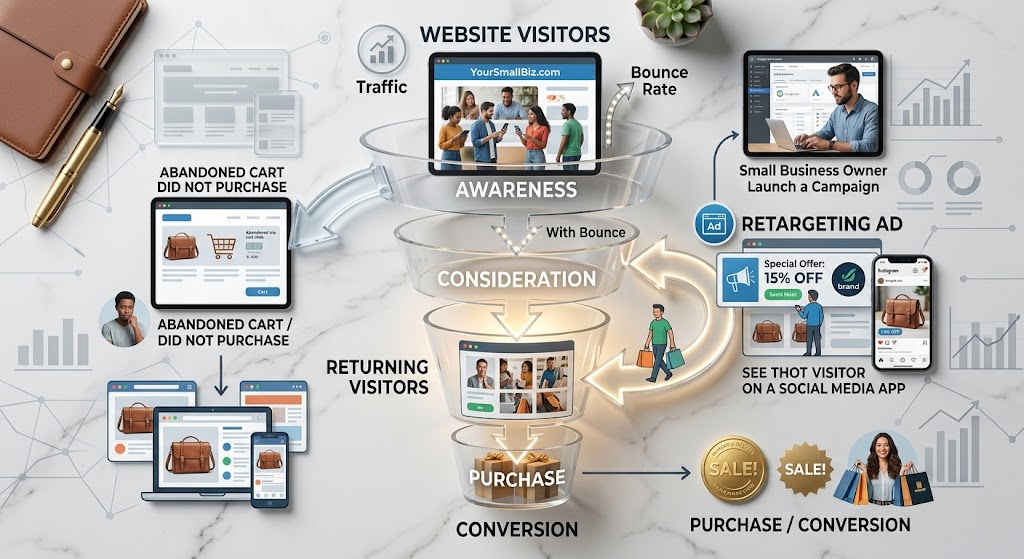
What is retargeting? Retargeting (also called remarketing) shows ads to people who have already visited your website, increasing conversion rates by up to 70% compared to cold traffic. It works by placing a small tracking snippet like the Meta Pixel or a Google Ads tag on your site, then serving follow-up ads to those visitors as they browse elsewhere online.
What is the difference between retargeting and remarketing? The terms are used interchangeably in most marketing conversations. Technically, “remarketing” originally referred to email-based re-engagement (like Google Ads’ email list remarketing), while “retargeting” referred to ad-based re-engagement. Today, Google itself uses “remarketing” to describe its retargeting ad products, so the two terms mean the same thing in practice.
Why Retargeting Ads for Small business is Essential
Cold traffic, people who’ve never heard of your business is expensive to convert. Retargeting flips that equation. Because you’re advertising to people who already know who you are, click-through and conversion rates are dramatically higher, and cost per acquisition is typically lower.
This is especially true for US small businesses working with tight marketing budgets. Instead of spending your whole budget trying to win over strangers, retargeting lets you focus dollars on warm leads who are statistically far more likely to buy. If you haven’t yet built out your broader paid strategy, our Paid Digital Advertising Guide for US Small Businesses is a good place to start before layering retargeting on top.
How Does Retargeting Work?
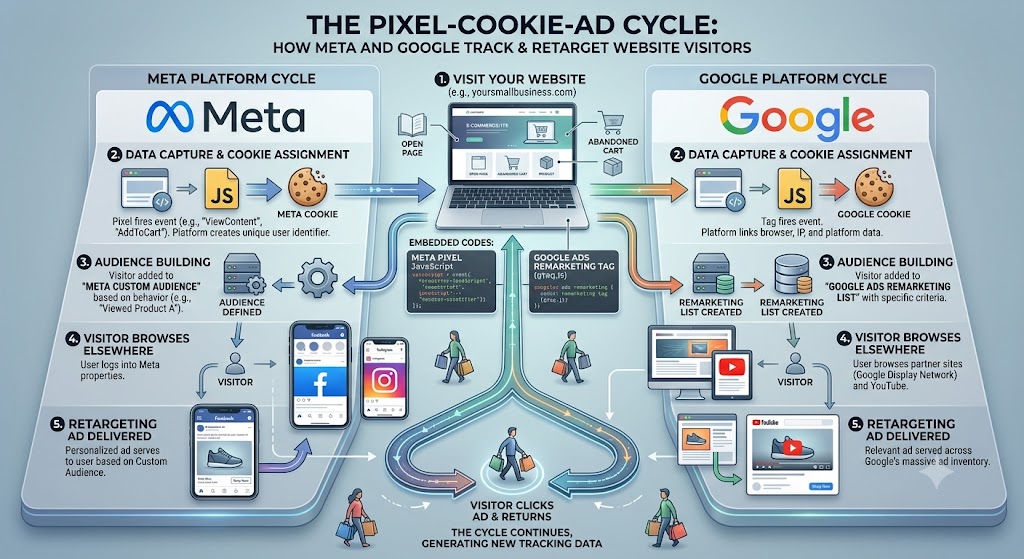
Retargeting works through a tracking pixel, a small piece of code placed on your website. When a visitor lands on your site, the pixel drops a cookie in their browser. That cookie allows ad platforms like Google Ads Remarketing and the Meta Pixel to recognize that visitor later and serve them ads as they browse other sites, scroll social media, or watch YouTube.
Behind the scenes, platforms build Google Analytics Audiences segmented lists based on visitor behavior, like “visited pricing page but didn’t convert” or “added to cart, no purchase.” You can then target those specific segments with tailored ad messaging
What Are Retargeting ROI Statistics Small Business Owners Should Know?
Retargeting consistently outperforms standard prospecting campaigns on cost efficiency. Click-through rates for retargeted ads are typically several times higher than standard display ads, and returning visitors reached through retargeting convert at meaningfully higher rates than first-time visitors. For small businesses, this translates into a lower cost per lead and a shorter path from click to sale critical when every ad dollar needs to work hard.
How Do I Set Up Google Retargeting Campaigns?
Setting up Google retargeting campaigns starts inside Google Ads. Add the Google Ads remarketing tag to your site (or connect it through Google Analytics Audiences), define your audience segments, and build a display or search campaign targeting those segments. If you haven’t run a Google Ads campaign before, our guide on Google Ads for Small Business: How to Run Your First Campaign Without Wasting Money covers the fundamentals before you layer retargeting on top.
How Do I Set Up Facebook Retargeting Setup for My Business?
A proper Facebook retargeting setup begins with installing the Meta Pixel through Meta Events Manager. Once installed, create Custom Audiences based on site behavior, page views, add-to-cart actions, or form starts and build a campaign targeting those audiences with an offer that speaks directly to where they dropped off. Many small businesses run Facebook retargeting alongside their broader funnel strategy; if you haven’t mapped that funnel yet, see our guide on How to Build a Marketing Funnel That Converts: A Step-by-Step Guide. For a deeper walkthrough of Facebook ad fundamentals, check out Facebook Ads for Small Business: A Beginner’s Complete Guide.
Do I Need Consent to Run Retargeting Ads?
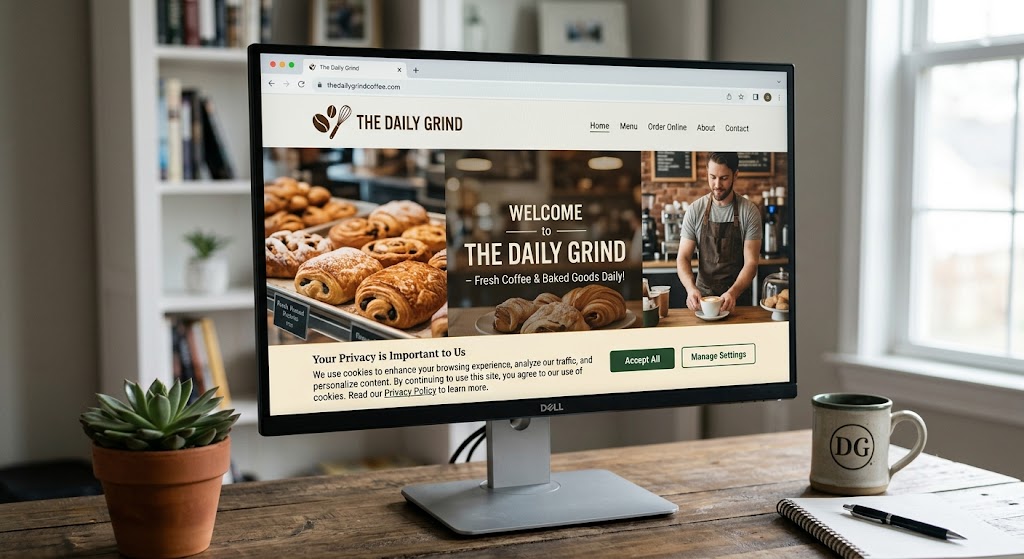
Yes, retargeting relies on cookies and tracking pixels, which means privacy compliance matters. Under GDPR retargeting rules (relevant if you have any EU visitors) and increasingly under US state privacy laws, businesses need clear cookie consent mechanisms before tracking visitors. A simple cookie banner with an opt-in/opt-out choice, paired with a transparent privacy policy, keeps your retargeting program compliant.
What Tools Can I Use Beyond Google and Facebook?
While Google and Meta cover most small business needs, platforms like AdRoll and Criteo specialize in cross-channel retargeting, letting you reach past visitors across a wider network of websites and apps. These tools can be worth exploring once your core Google and Facebook retargeting campaigns are running smoothly and you’re ready to scale reach.
Common Retargeting Mistakes Small Businesses Make
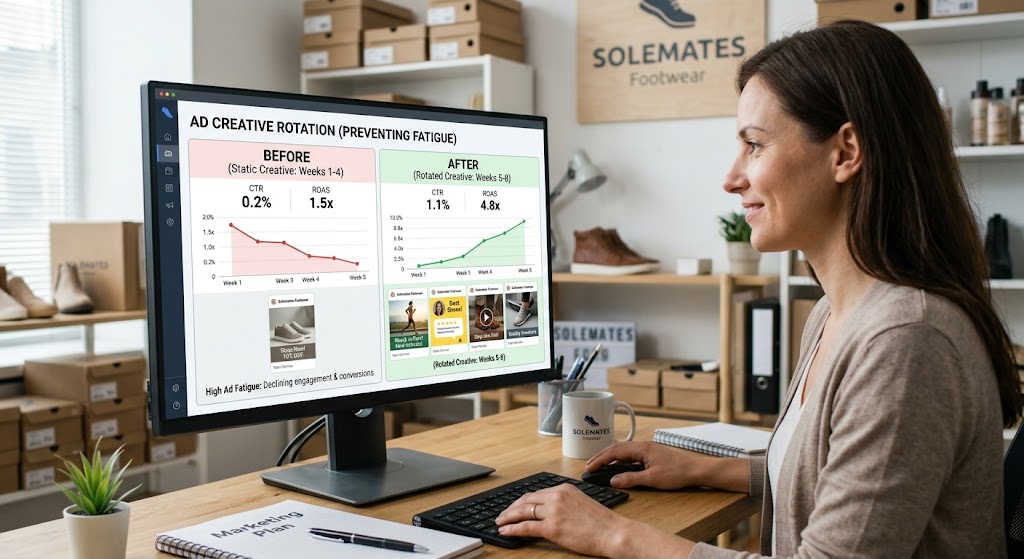
- Showing the same ad forever. Rotate creative every few weeks to avoid ad fatigue.
- Retargeting everyone the same way. Segment by behavior, a pricing-page visitor needs different messaging than someone who only viewed your homepage.
- No frequency cap. Bombarding visitors with the same ad daily damages brand perception rather than helping it.
- Ignoring mobile. Most retargeting impressions now happen on mobile devices, so creative needs to be mobile-first.
Ready to Recover Your Lost Sales?
Retargeting ads for small business owners are one of the fastest ways to turn near-misses into paying customers but getting the setup, segmentation, and compliance right takes experience. Talatech is a US-based local SEO and paid media agency that helps small businesses across the country build retargeting campaigns that actually convert, from Google Ads Remarketing to full Facebook retargeting setup.
We’re currently accepting new client accounts and offer a free strategy consultation to map out where your business is losing visitors and how to win them back.
📞 Call us today (940) 597-5872 or fill out our contact form to get started.
FAQ Section
Is retargeting the same as remarketing?
Yes, in modern usage the terms are interchangeable, though “remarketing” is Google’s preferred term for its own ad products.
How much does retargeting cost for a small business?
Costs vary by platform and audience size, but retargeting generally costs less per conversion than prospecting to cold audiences, since you’re targeting warmer leads.
How long should I run a retargeting campaign?
Most platforms default to a 30-day cookie window, but you can extend or shorten this depending on your sales cycle, a longer consideration purchase may warrant 60–90 days
Can I run retargeting without a large ad budget?
Yes. Because retargeting audiences are smaller and more targeted than cold audiences, small businesses can run effective campaigns on modest daily budgets.
Do I need a website to run retargeting ads?
Yes, retargeting requires a pixel installed on your website (or app) to build an audience of past visitors to re-engage.
Available Mon-Fri / 9am-5pm EST | (940) 597-5872 | Contact Us Online | Google Business Profile