
Why Every Small Business Needs a Content Marketing Strategy
A content marketing strategy is one of the most effective ways for small businesses in the United States to grow online visibility, attract customers, and build long-term brand authority.
Unlike traditional advertising, content marketing focuses on creating useful, educational, and engaging content that solves customer problems. Platforms such as Google, HubSpot, and Semrush emphasize content quality as a key ranking factor in modern SEO.
For small businesses competing against larger brands, a well-structured content marketing strategy helps level the playing field. With the right checklist, even a small team can generate leads, improve search rankings, and build trust with their audience.
This guide walks through a complete checklist designed specifically for USA small businesses looking to grow through content.
The Ultimate Content Marketing Checklist
1. Define Clear Business Goals
Every successful content marketing strategy begins with a clear objective.
Examples of Content Marketing Goals
- Increase website traffic
- Generate qualified leads
- Improve brand awareness
- Build customer trust
- Rank higher in Google search results
When goals are defined, every piece of content becomes purposeful rather than random.
Pro Tip: Align content goals with sales funnels, awareness, consideration, and decision stages.
2. Understand Your Target Audience
A strong content marketing strategy is built around audience understanding.
Create Customer Personas
Identify:
- Age group
- Industry
- Business size
- Pain points
- Buying behavior
For example, a U.S. small business owner may search for:
- marketing automation tools
- affordable SEO services
- digital growth strategies
Knowing these needs helps produce content that actually converts.
Related: How to Get Your Small Business to the Top of Google Search in Your City
3. Perform Strategic Keyword Research
Keyword research ensures your content marketing strategy targets what customers are actively searching for.
Recommended Tools
- Ahrefs
- SEMrush
- Google Keyword Planner
Focus on:
- Long-tail keywords
- Local keywords for U.S. markets
- Buyer-intent keywords
Example keywords:
- small business content marketing
- digital marketing for startups
- SEO strategy for small businesses
Learn more:
https://developers.google.com/search/docs/fundamentals/seo-starter-guide
4. Build a Content Marketing Strategy Calendar
Consistency is essential.
A content marketing strategy becomes far more effective when supported by a structured publishing schedule.
Example Content Calendar
Weekly blog post
Monthly case study
Bi-weekly social media posts
Quarterly downloadable guides
Publishing regularly helps search engines crawl and index your website more often.
5. Focus on High-Quality Blog Content
Blog content remains the foundation of most successful content marketing strategy plans.
Blog Content Ideas for Small Businesses
- How-to guides
- Industry trends
- Customer success stories
- Tutorials and checklists
- Case studies
Short paragraphs and clear headings improve readability and help search engines understand the structure.

6. Optimize Content for SEO and Generative AI
Modern search results include AI summaries and knowledge panels. Your content marketing strategy should therefore optimize for both traditional search engines and AI models.
Key SEO Elements
- Keyword placement in titles
- Structured headings (H2, H3)
- Internal linking
- Schema markup
- Optimized meta descriptions
Google’s helpful content system also rewards experience-based content and genuine expertise.
7. Use Multiple Content Formats
Diversifying formats strengthens a content marketing strategy.
High-Performing Content Types
- Blog posts
- Infographics
- Videos
- Podcasts
- Email newsletters
Platforms like YouTube and LinkedIn can significantly amplify reach for small businesses.
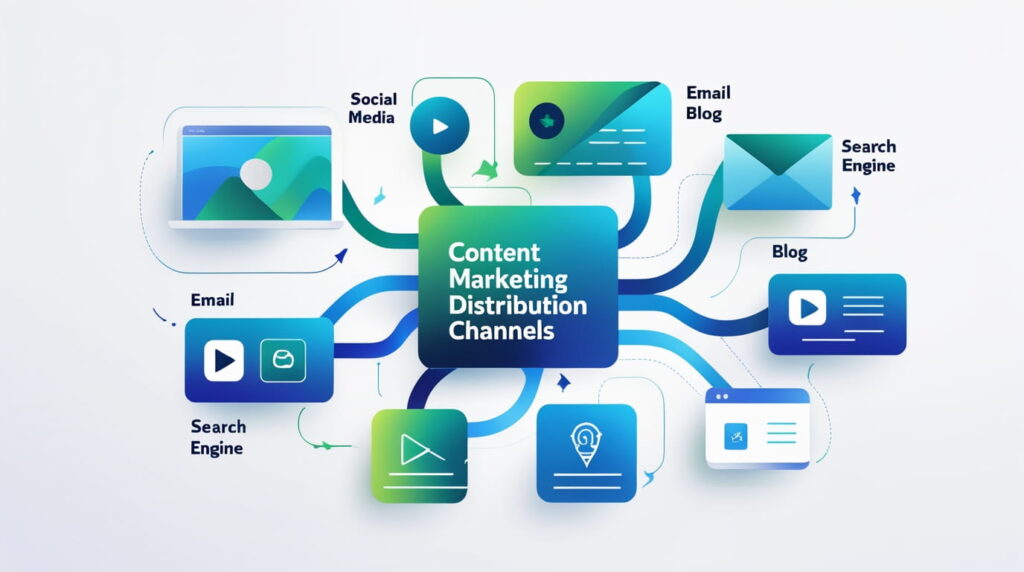
8. Promote Content Across Channels
Publishing content is only half the job.
A successful content marketing strategy includes promotion through:
- Social media
- Email marketing
- Industry communities
- Partnerships
- Guest blogging
Promotion expands reach and increases backlinks, an important ranking factor.
9. Track Content Performance
Without analytics, a content marketing strategy cannot improve.
Important Metrics
- Organic traffic
- Bounce rate
- Keyword rankings
- Conversion rates
- Engagement time
Use tools such as:
These insights help refine future content and focus on what works.
What is a content marketing strategy?
A content marketing strategy is a structured plan for creating, publishing, and promoting valuable content to attract and convert a specific audience.
Why is content marketing important for small businesses?
Content marketing helps small businesses build trust, improve search visibility, generate leads, and compete with larger brands online.
How often should small businesses publish content?
Most experts recommend publishing 1–4 high-quality pieces per month to maintain consistency and improve SEO performance.
How long does content marketing take to show results?
Most content marketing strategy campaigns begin generating measurable SEO traffic within 3–6 months depending on competition and consistency.
How Talatech Helps Small Businesses Grow with Content Marketing
Creating a successful content marketing strategy takes time, expertise, and consistent execution. Many small businesses struggle with planning, SEO optimization, and content production.
That’s where Talatech comes in.
Our team specializes in helping U.S. small businesses:
- Develop data-driven content marketing plans
- Create SEO-optimized blog content
- Rank higher in Google search results
- Generate consistent leads through organic traffic
- Build long-term brand authority
Whether you need a full content strategy or ongoing content creation, Talatech can help your business grow faster online.
Start Growing Today
Ready to build a content marketing strategy that actually drives results?
Contact Talatech today and let our experts create a growth-focused content marketing plan for your business.